

Member bitesize workshop - Anti-Racism & Navigating Difficult Conversations
Wednesday 18 November • 1 PM - 1:45 PM
Overview
Evelyn from Anti‑Racism Matters: Let’s Talk, Listen and Learn Together

Recruitment
Over the last few years, independent living providers have found it increasingly challenging to attract, recruit, train and retain competent, committed staff. Key challenges including expanding the pool from which to recruit, attracting people with the right skills set and values, and retaining good staff.
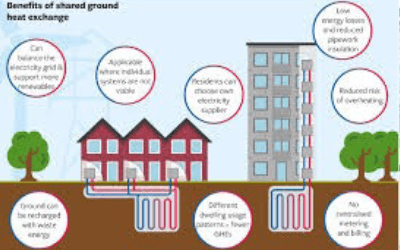
Heat Network Regulations
66% of heat networks are owned/managed by social housing providers and typically found in supported and older people’s schemes. From 27 Jan 26, a new regulatory regime came into force to better protect consumers, ensuring they benefit from a more reliable system as well as good customer service, fair pricing, and easy to understand energy bills.
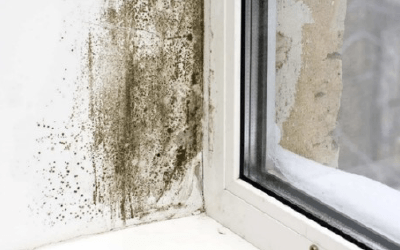
Damp and Mould
Living with damp and mould significantly impacts anyone’s health and wellbeing, and particularly on vulnerable, older people. In 2025, Awaab’s Law strengthened, in England, housing providers’ responsibilities for addressing damp and mould and in Wales a new Welsh Housing Quality Standard was introduced with mandatory timescales for investigating and remedying hazards including damp and mould.
Digital Switchover
By 2027, analogue telephone services will be switched off as the UK’s telecoms infrastructure is upgraded to digital connectivity.
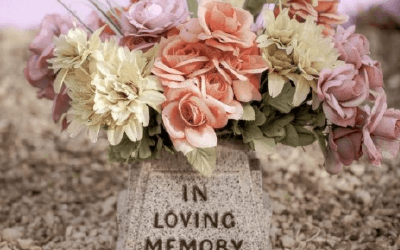
Bereavement and End of Life Support
The impact of the loss of a resident on scheme staff and other residents cannot be underestimated especially if a death is unexpected. Whilst scheme managers do not have the same direct role as other voluntary/statutory agencies in providing bereavement support or supporting an individual at the end of life, they play a key role in signposting residents to specialist support and may provide ‘informal’ support.
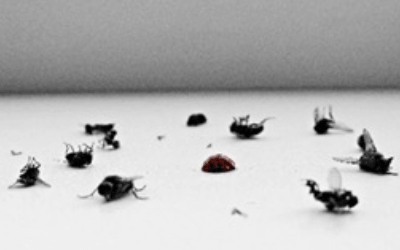
Pest Infestation in Independent Living Schemes
Pests can cause anxiety and distress, carry disease, cause food poisoning and skin conditions, trigger allergic reactions and exacerbate existing conditions, increase risk of fire and electrocution and lead to substantial damage to property or personal possessions.


